Massage therapy has been shown to reduce the symptoms of stress, depression and anxiety. It’s excellent for reducing insomnia, and has been shown to improve both the ability to fall asleep and the duration of sleep, allowing for otherwise anxious individuals to rest. The lack of ability to sleep plays a key role in the development and exacerbation of these conditions and creates a downward spiral of despair. By interrupting the insomnia cycle, massage can play a huge role in reducing emotion-based conditions.
Source: www.naturalwellness.com
 A pulled muscle, or muscle strain, is among the most common types of injuries sustained by athletes and bodybuilders. It’s characterized by the physical tearing (full or partial) of muscle fibers and/or its connected tendons, usually occurring during a strenuous activity. While most pulled muscles will heal on their own without the need for professional medical assistance, seeking massage therapy can speed up the healing process.
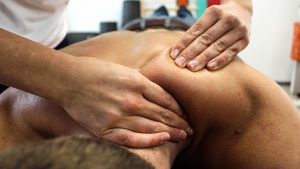 Lowers Stress Levels
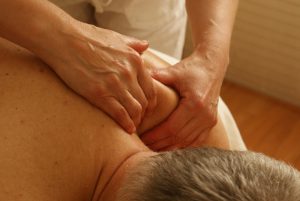 It’s estimated that roughly 9% of the U.S. adult population has received at least one massage in the past year. Massage therapy is a vast, ever-growing industry that is practiced by countries around the world. While most people seek massage to relieve physical stress and tension, it may also prove useful in boosting the body’s immune system.
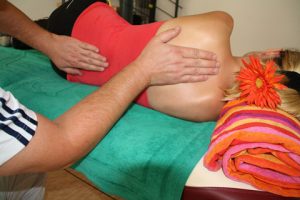 Regional pain syndrome, also known as
  The Centers for Disease Control and Prevention (CDC) reports that 208,000 people younger than 20 years old have been diagnosed with either type 1 or type 2 diabetes. An additional 86 million adults 20 years old and older have pre-diabetes. To put these numbers into perspective, roughly 9-10% of the entire United States population has diabetes. While advancements in modern medicine have led to some effective treatment, a centuries-old practice has been also been shown to be effective in treating diabetes.
 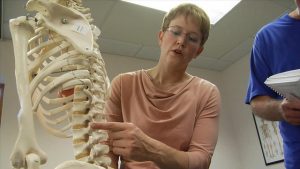 A “pinched” nerve is one of the most common types of back and neck problems. It’s characterized by the compression by bony structures (i.e., vertebrae, discs) on one or more nerves running from the brain down through the spinal cord. Nerve “entrapment” by contrast, occurs when a given nerve is squeezed by surrounding soft tissues (i.e., muscles, tendons or ligaments) which can occur more frequently. These nerves play an important role in our body’s function, so when one becomes compressed, it can affect our normal movements. Symptoms from either pinched or entrapped nerves can include pain, limited mobility, tingling “pins-and-needles” feeling, and in some cases numbness.